Series In Production
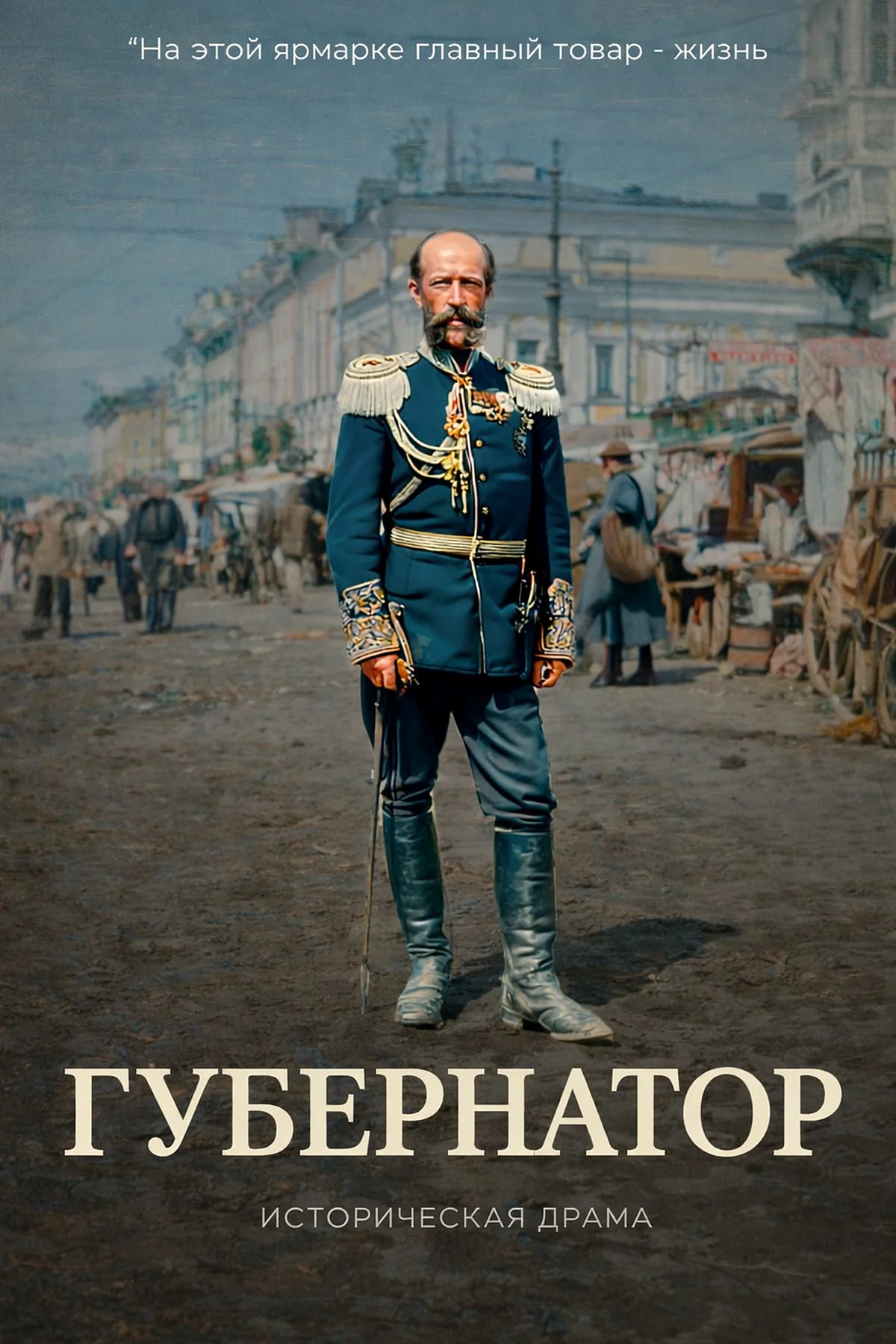
Governor
Nizhny Novgorod, 1892. A cholera outbreak tears through the city. Governor Baranov has to face panic, bureaucracy, and the inertia of the system while trying to keep the city from collapse.
Documentary and fiction films about people when private life collides with history. I am interested in stories that do not fit into a clean slogan.
View Works ↓
Nizhny Novgorod, 1892. A cholera outbreak tears through the city. Governor Baranov has to face panic, bureaucracy, and the inertia of the system while trying to keep the city from collapse.
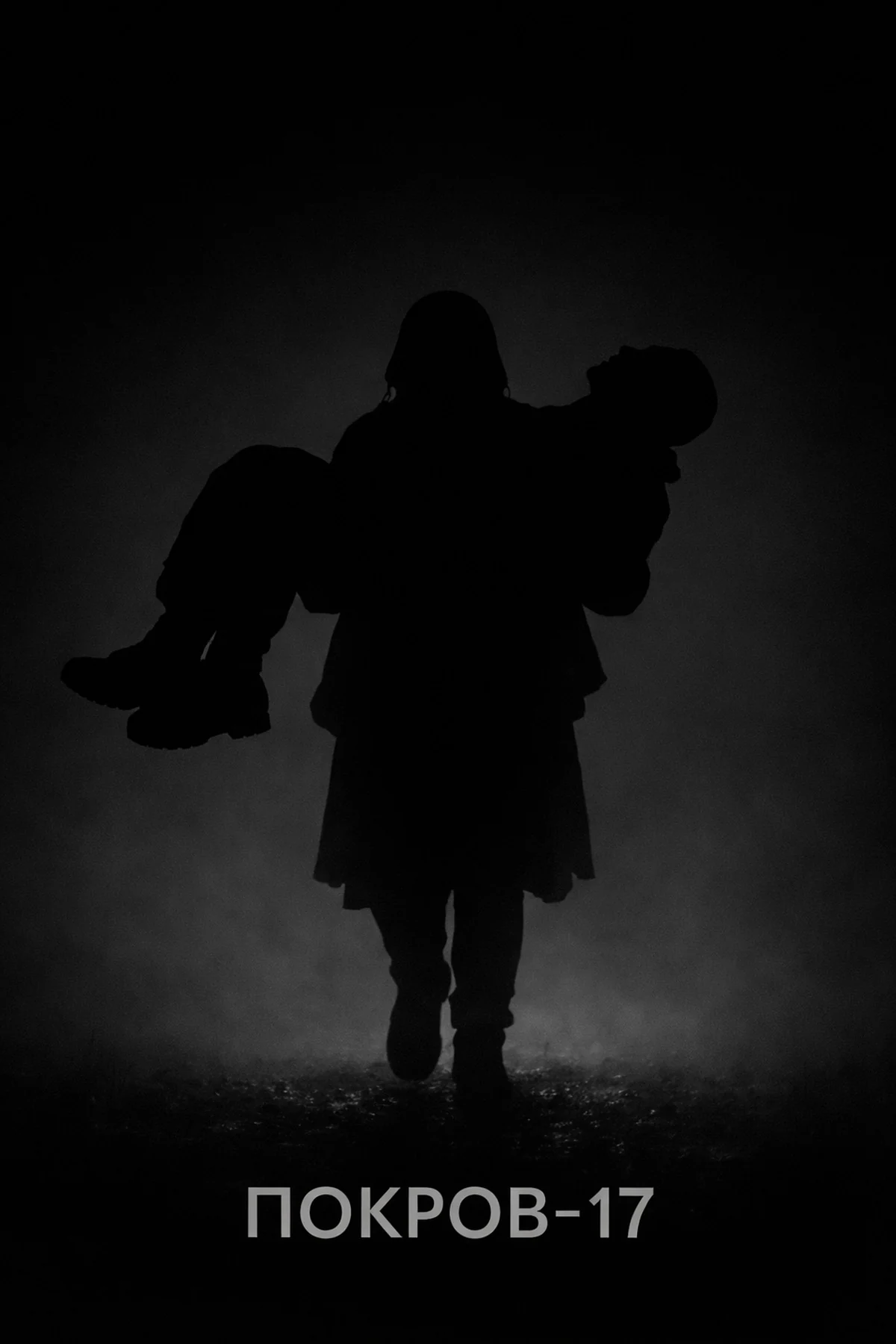
1991. A closed Soviet town is swallowed by Darkness. Prisoners turn feral, factions go to war, and a CPSU employee searches for her son inside a world that has already begun to fall apart.
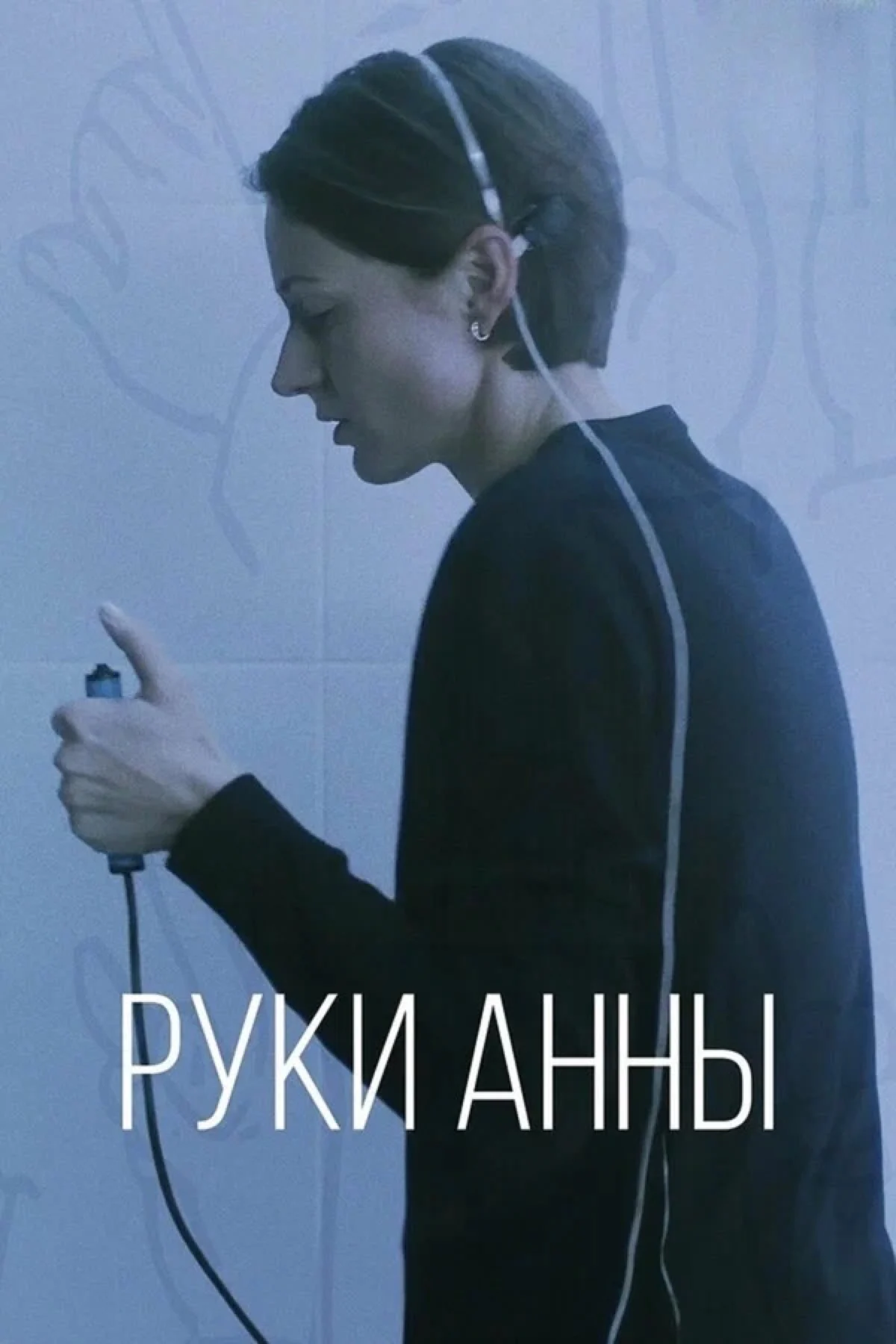
A hotline operator begins to lose her hearing and returns home. There she has to pull her brother out of trouble and protect her mother from scammers before the family finally breaks apart.
Director
Director
Director
Director / Writer
Director / Writer / Actor
Director / Writer
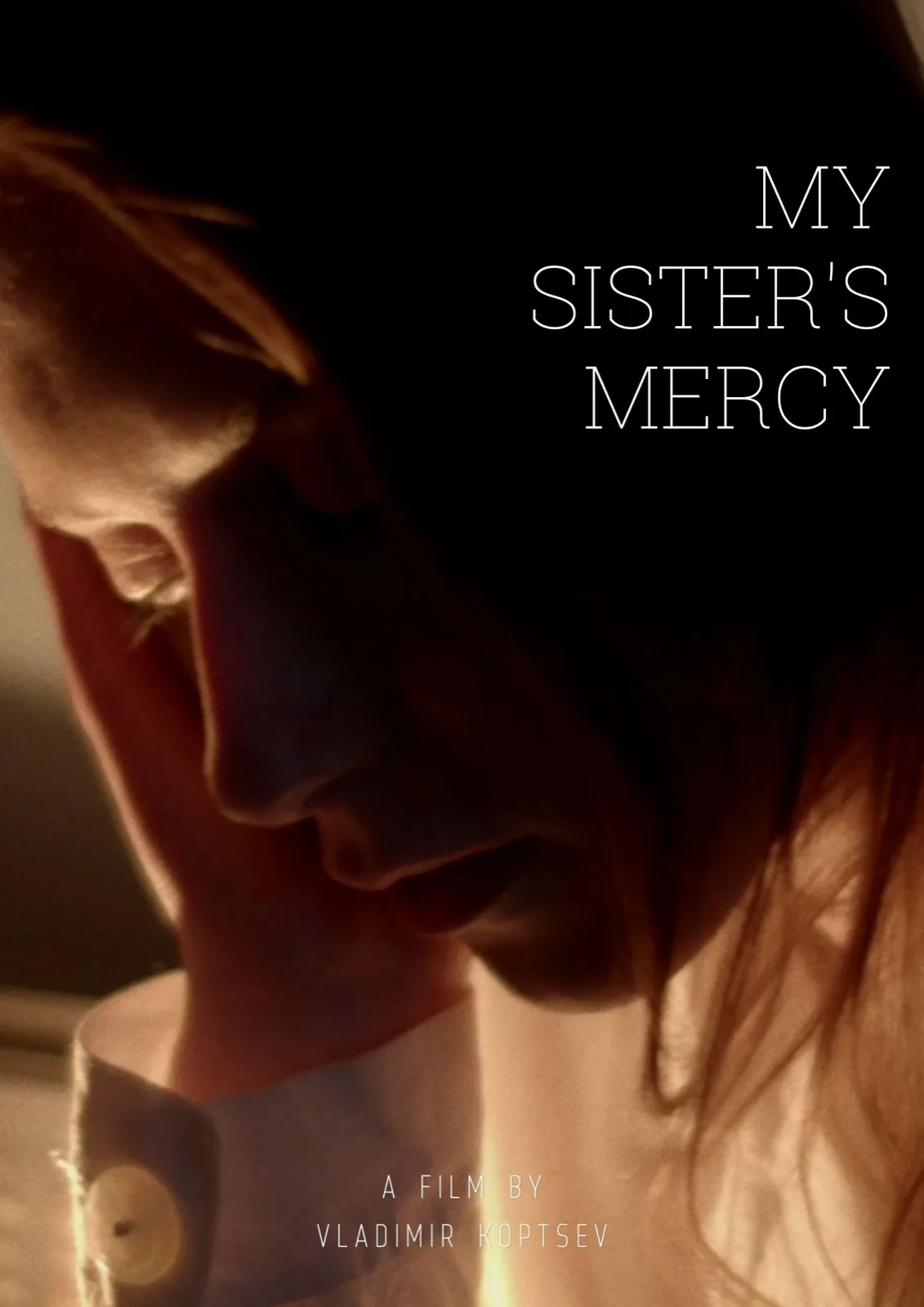
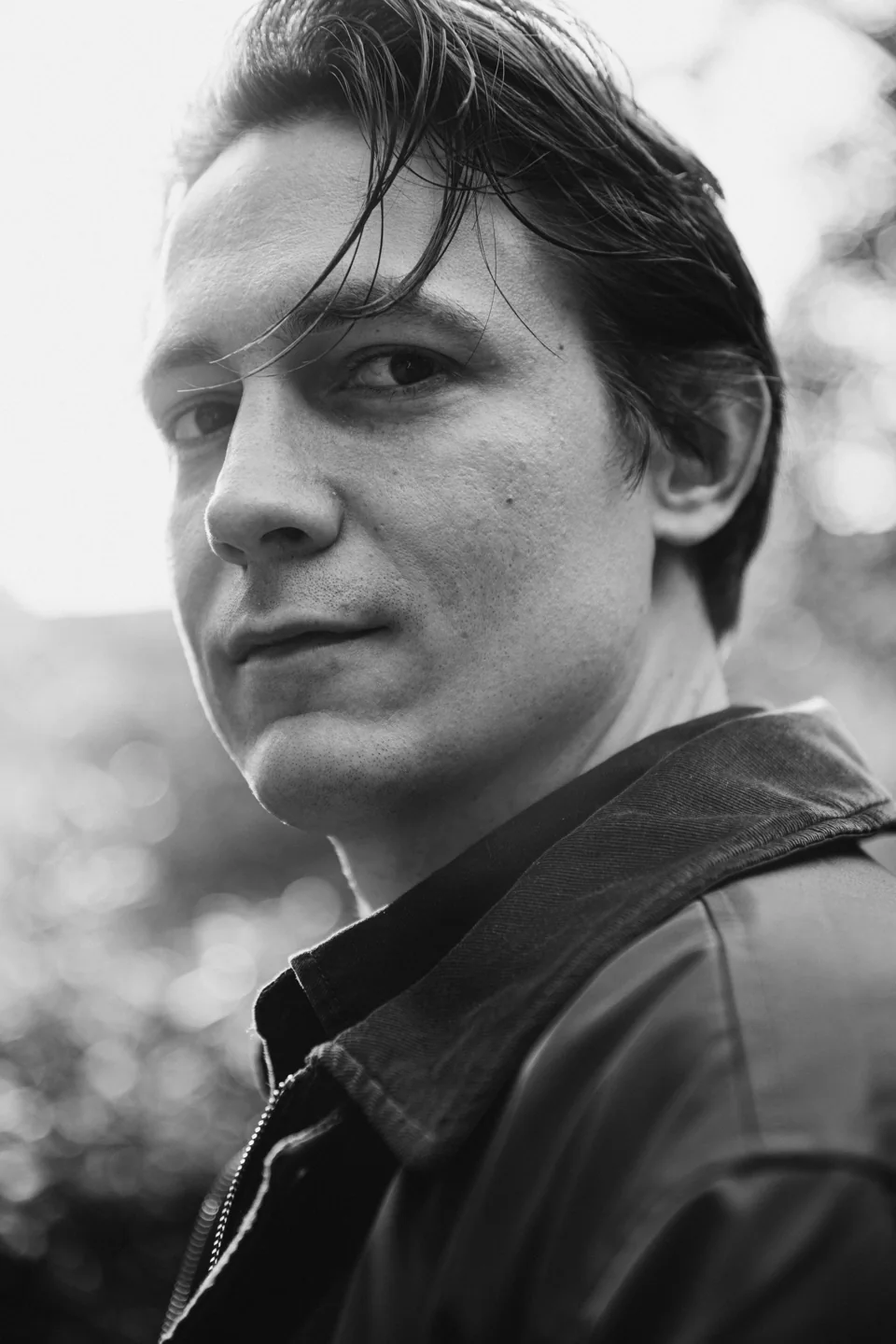
I work between documentary and fiction. What draws me most is human texture — the part that does not reveal itself at first glance. My characters are not people performing inside a plot; they are people already living inside it. I am drawn to strong women on screen, to documentary weight, and to those moments when a scene carries not just form, but some inner charge you cannot fully explain.
I have made two feature documentaries and several shorts that have screened in Turin, at the Moscow International Film Festival, and in Berlin. To me, though, it still feels like a beginning. Right now I am writing series and developing several projects. I believe good cinema is not something you manufacture from scratch. It is something you find.
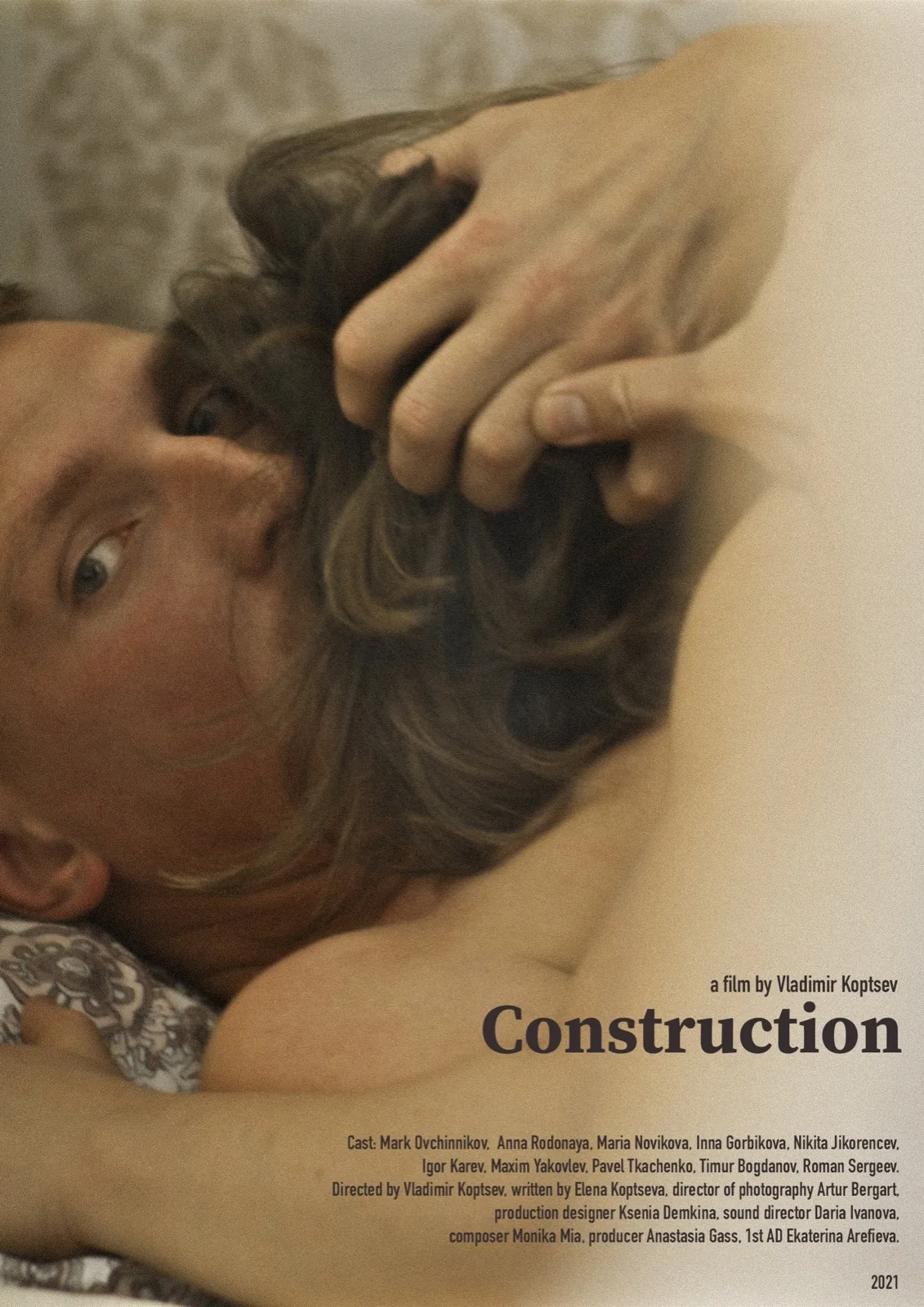
I was born in Togliatti, a city that was built almost from scratch in ten years for the car industry. That may be why I started out in engineering and studied industrial and civil construction. I wanted to understand what holds a structure up, where the load sits, where it can fail, and how one bad decision in a drawing can bring the whole thing down.
I graduated from Togliatti State University in 2012, worked on construction sites, and then, unexpectedly, ended up in television. News reporting taught me something I still rely on: you cannot take a story on trust. You have to go there, look for yourself, ask questions, and collect the texture of what actually happened. I still care less about elegant phrasing than about proof, tone, and the dust on a person's shoes.
Before cinema, there were other, very different schools in my life. Afghanistan is not an abstract historical subject to me; it belongs to my family and personal context. Before directing came military school, Muay Thai, stunt work, and television. All of that stayed with me in the way I think about action, the body, risk, and the discipline inside a frame.
Cinema came later. I was already in my thirties when I entered Alexander Sokurov's directing workshop at SPbGIKiT. Before that there were acting classes at Gogol School, introductory filmmaking at Alexander Mitta's school, and cinematography studies with Alexander Nosovsky. Sokurov gave me the most important thing: the sense that cinema can be a way of investigating the world, not just presenting it.
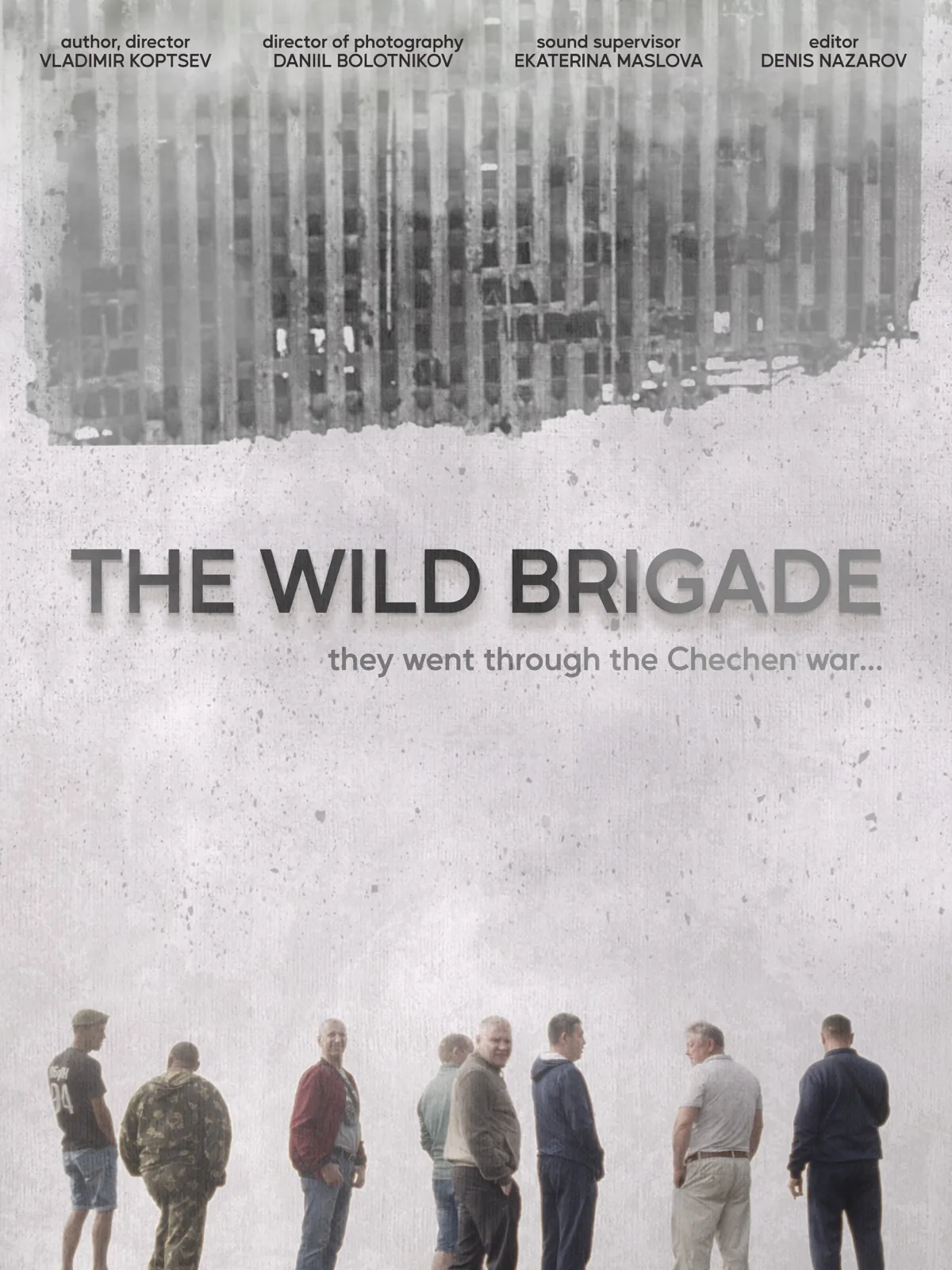
I graduated in 2022. My diploma film, The Wild Brigade, was a feature documentary about veterans, memory, and the way war stays with a person for decades. I spent time with the men in the film, visited their homes, listened to how they spoke about the past, and paid attention to what they chose not to say. For me it was not simply a project. It was a test of whether war can be filmed without turning it into an illustration.
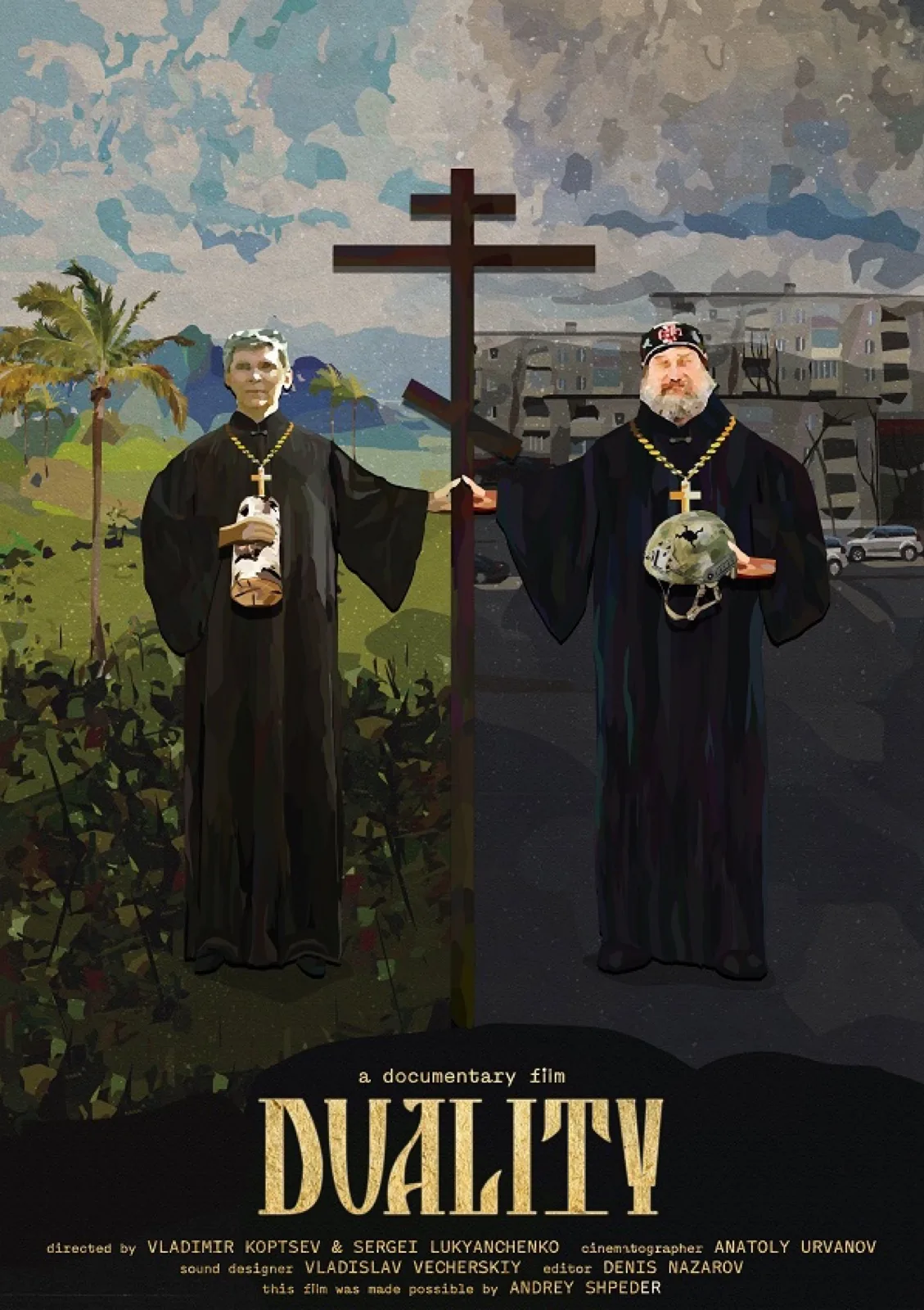
Then came Duality, released in 2024. It is also a feature documentary, but it is built differently. If The Wild Brigade is about what the past leaves inside a person, Duality is about trying to find yourself in the present. I made it with Sergei Lukianchenko, my fellow student from Sokurov's workshop. We filmed in Orthodox churches in Russia and Thailand and worked with people searching for meaning through ascetic life. The festivals in Riga and Rome mattered, of course, but the more lasting result was personal: on that film I understood how much I care about the border between document and invention, between fact and memory.
I live in Barcelona now. Lena and I are raising our five-year-old son. He knows his father makes films, but he still has no idea why it takes so much time. Lena is still my co-author. Sometimes I tell him that I build structures too, just not out of concrete — out of shots and scenes. The engineer in me never disappeared. I still think about dramaturgy as a load-bearing system. If there is no truth and no form at the base, nothing above it will stand for long.
Biography, high-resolution photos, complete filmography and press contacts.
Includes bio, loglines, synopses, posters, and festival track record in one PDF.